Opening to Pure Awareness: the Path of Meditation
with Susan Mickel
May 31–June 7, 2026
Meditation offers ways to calm our minds and to cultivate love and compassion, along with non-reactivity and discernment in the face of stress and life’s difficulties. In these stressful times, learning meditation opens us to new possibilities for being in the world with strength and confidence. The underlying approach, based in Buddhist teachings, includes a belief that our innate true nature is basic goodness and inner wisdom. We can disentangle that innate goodness and wisdom from our misunderstandings that naturally occur through the ordinary conditions of life.
The first step is to learn practices to help us connect with our basic loving nature, and to gently quiet the mind through resting it first on objects like the breath. These practices slow down our usual experience of thinking, thinking all the time. We can begin to notice how thought and emotion keep us activated, making it hard to stay calm. Just noticing of this process begins to give us tools for shifting the reactivity. We can notice that all beings are in the situation of trying to take care of themselves and their loved ones. Through this perspective we develop a larger frame for seeing our place in the world.
The practices for later in the week draw on later Buddhism and modern neuroscience to address how our minds perceive ourselves, others, and the world around us. We use our calm minds to explore how specific experiences arise, and to distinguish between our bare sense experience and our reactions to it. In this way we develop clear seeing that helps to disentangle the various ways we may react and respond in daily life. In the end this exploration may lead to opening to nondual pure awareness.
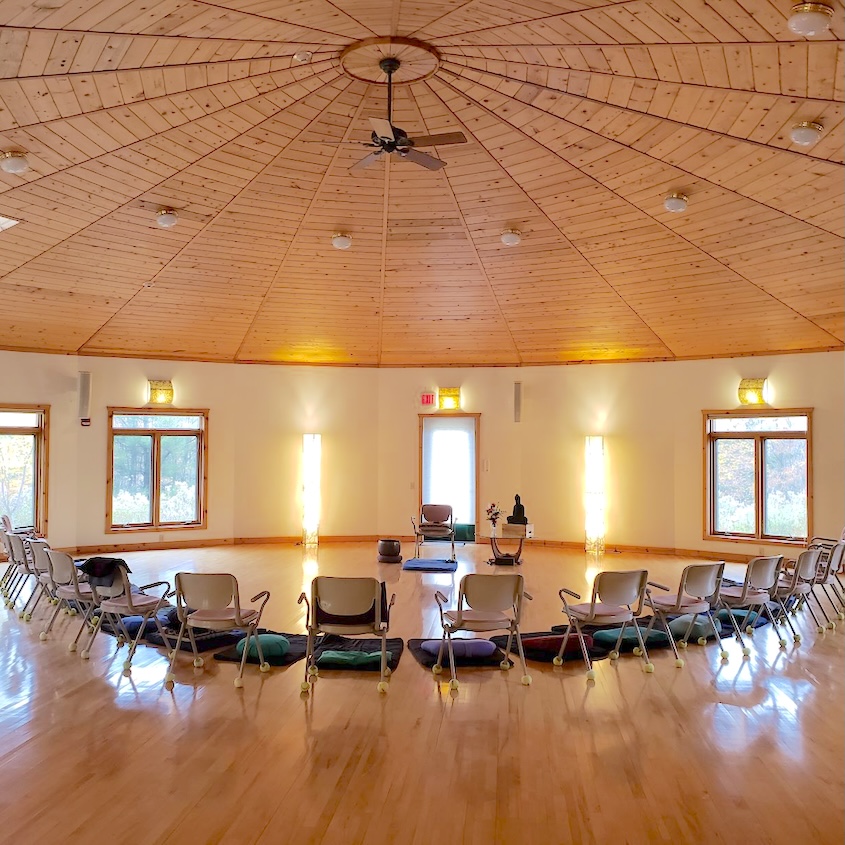
From the time of the earliest teaching by the Buddha himself, the emphasis was on individualized instruction, which can get lost when people are taught in large groups. This retreat will include guided meditations, group discussion of meditation experience, and individualized instruction within the group setting. Group discussion allows participants to learn from each other. The group will be capped at 20 people.
Program highlights
- Learn lovingkindness and compassion meditations
- Cultivate settling the mind, sometimes called concentration or shamatha
- Learn to explore the mind and how it creates our sense of reality
- Learn to be present with emotion in a way that can transform and heal difficult emotions and that brings positive emotions more to the fore
- Explore the process of being present in our environment in a way that softens our feeling of separateness.
Although the framework for this retreat is Buddhist, there is no expectation or need to believe anything particular to put the meditations into practice. People of all faiths are welcome. This retreat is open to all, appropriate for beginners and people with meditation experience. It is intensive. Participants are expected to have thought through their supports in advance. If you have questions about the content of the retreat, you may contact Susan Mickel at susanmickel2@gmail.com.
Susan Mickel, M.D., Ph.D.
Susan has been meditating for over thirty years, first in the Christian tradition, then in the early Buddhist mindfulness tradition, and since 2003 in the Tibetan Mahamudra and Dzogchen traditions. She was authorized to teach vipassana by Mary Jo Meadow, PhD. Susan first taught Theravada Vipassana retreats with Resources for Ecumenical Spirituality, which offers Christian-Buddhist retreats. In 2001 she completed a certificate in ecumenically oriented Christian spiritual guidance from Shalem Institute for Spiritual Formation. In 2005 she was authorized by Daniel Brown, PhD to teach his adaptation of Indo-Tibetan essence meditations. Rahob Rinpoche was her Tibetan root lama. She taught meditation retreats based on the essence traditions with Pointing Out the Great Way for ten years. Currently Susan’s main teachers are Tulku Sang-ngag Rinpoche and Yongey Mingyur Rinpoche. Other teachers who have influenced her are Rahob Rinpoche Thubten Kalsang, Khenpo Tsewang Dongyal Rinpoche, and Tulku Dawa Gyalpo.
Interested in the mind since she can remember, Susan majored in comparative religions in college. After medical school at Emory University, she worked as a behavioral neurologist and led a memory disorders clinic for 22 years at a large nonprofit multispecialty clinic in Wisconsin. In 2004 she returned to school for a clinical psychology Ph.D. with Fielding Graduate University and in 2013 became a licensed clinical psychologist. She has wide interests in psychology including attachment, geriatrics, trauma, personality development, and integrative assessment of persons with potentially neurologically-based cognition and behavior problems.
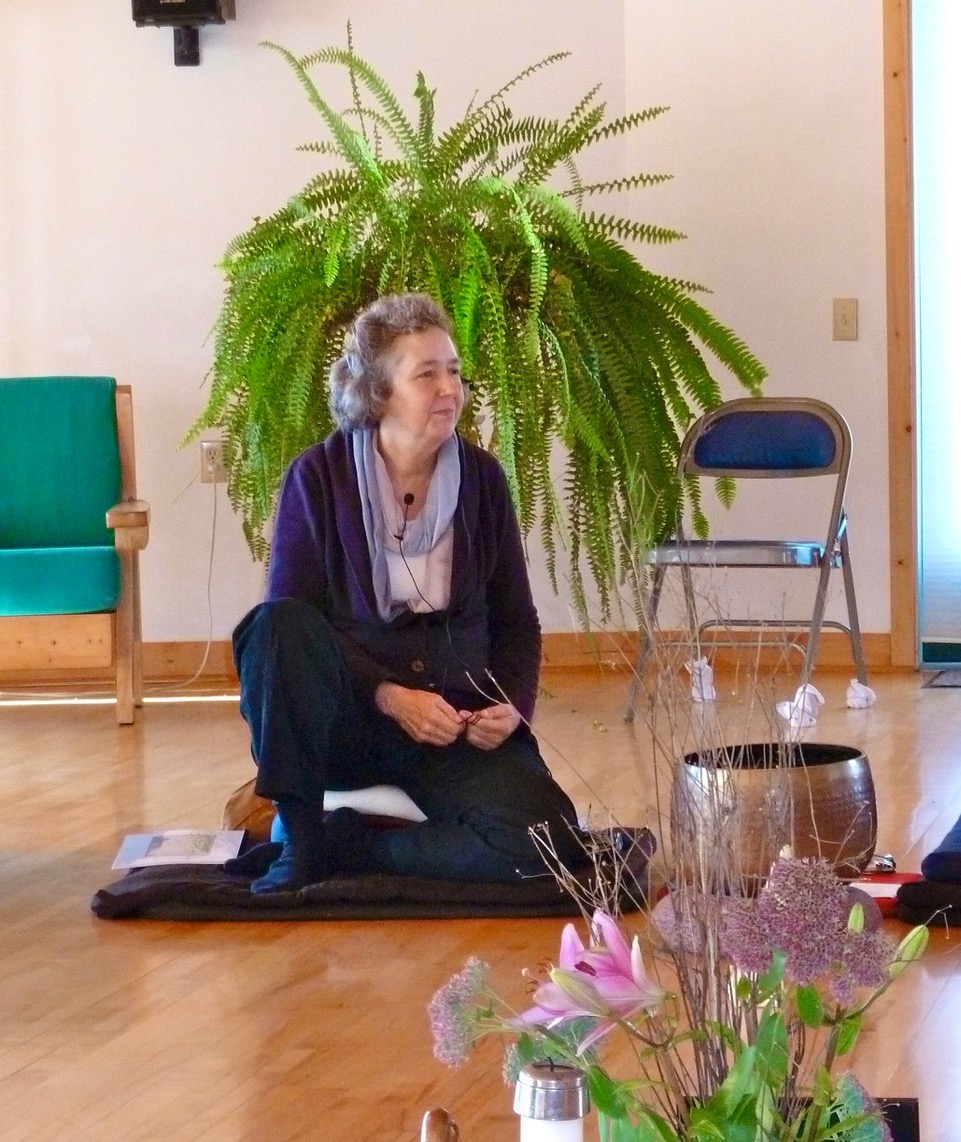
In 2018 Susan completed three years of intensive home meditation practice, following a curriculum traditional for a Nyingma 3-year retreat, guided by her teachers. She continues a deep commitment to practice. In 2019 she retired from professional work as a neurologist and psychologist. In addition to teaching retreats in person, she provides meditation instruction and practice support online.